المكتب: رقم 17، مجمع رونجوي للتكنولوجيا الصناعية بمجمع رونجوي للتكنولوجيا طريق كيوان الثالث، شوندي، فوشان، قوانغدونغ، جمهورية الصين الشعبية

بي-تك آسيا المحدودة
شكراً لك على رسالتك.
شكراً لك على رسالتك.
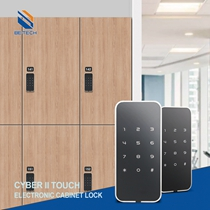
Electronic cabinet locks are a practical way to control lockers, drawers, cupboards, office storage, hotel amenities, and shared-use cabinets without relying on traditional keys. The right choice depends less on the lock name and more on how the cabinet is used every day.
A staff-only storage area, a guest locker, and a public self-service cabinet all need different rules. Before comparing models, define who opens the cabinet, how often it is used, whether the access mode is shared or private, and how staff should recover access if a user forgets a code or loses a card.
Start with the access method, user mode, cabinet material, and maintenance routine. RFID is useful where a card workflow already exists, while PIN access can work well for flexible storage and quick assignment. Public mode suits temporary users; private mode suits assigned storage.
BE-TECH cabinet-lock products cover RFID, touch, keypad, and locker-lock use cases, so the selection can be matched to the facility workflow instead of forcing one lock into every cabinet. For larger projects, the useful comparison is usually mode, access method, service access, and management authority.
List the cabinet types, user groups, and access rules before requesting a lock recommendation. That makes it much easier to compare cabinet lock models and avoid a mismatch at installation.
For a cabinet-lock rollout, the specification should be tested against real cabinet samples before the full quantity is ordered. That small check helps confirm the lock body, latch travel, visible surface, and emergency access method before the installer is standing in front of dozens or hundreds of cabinets.
Procurement teams should also separate guest-facing cabinets from back-of-house storage. Guest-facing storage normally needs a simpler user experience, while staff storage may need stronger management, master access, and clearer responsibility when a code or card is lost.